How Leaf Protection Can Complement Gutter Installation
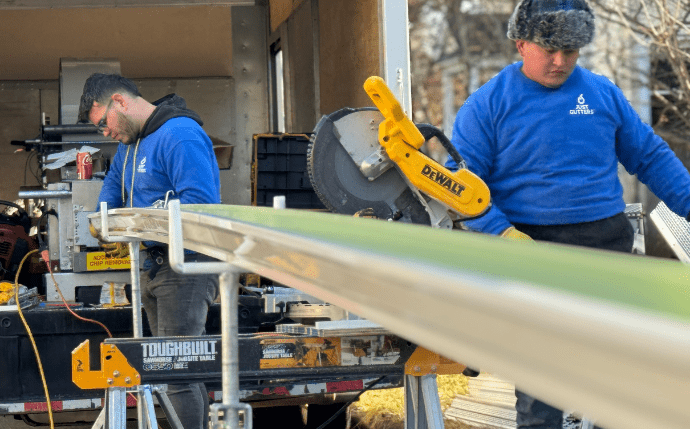


A new gutter system solves one problem well, it gives rainwater a defined path off the roof and away from the house. But gutters only perform at their best when water can actually move through them. In neighborhoods with mature trees, that is where many installations fall short. Leaves, seed pods, pine needles, and roof grit begin collecting almost as soon as the first storm hits. The gutter may be new, properly pitched, and correctly sized, yet it still struggles because debris blocks the flow.
That is why leaf protection deserves to be part of the same conversation as Gutter Installation. Not as a flashy add-on, and not as a cure-all, but as a practical complement to a system that is already doing important work. When these two elements are considered together, homeowners tend to get better performance, less maintenance, and fewer surprises after heavy rain.
I have seen this play out repeatedly on homes with beautifully installed gutters that overflow within a season because nearby oaks or maples drop more debris than expected. I have also seen the opposite, old guards installed over undersized or poorly sloped gutters, leaving owners puzzled about why water still spills over the fascia. The lesson is simple. Gutters and leaf protection work best when they are matched to each other and to the site conditions.
A gutter system is only as reliable as its flow path
Most homeowners judge their gutters by what happens during a storm. If water pours neatly from downspouts and the basement stays dry, the system feels successful. If water sheets over the front edge, splashes against the foundation, or pools near entryways, something is wrong. The visible symptom is often overflow, but the root cause can vary.
Sometimes the gutter itself is the issue. It may be too small for the roof area, installed with the wrong pitch, or interrupted by too few downspouts. Other times the hardware is fine, but the trough is filling with debris. A clog a few feet from the outlet can turn a properly installed gutter into a temporary planter box. Water backs up, debris dams more water, and the overflow starts in the exact places where the home is most vulnerable, near fascia boards, soffits, siding seams, door thresholds, and foundation beds.
Leaf protection helps preserve the flow path that the installer worked to create. It acts as a screening or separation layer that limits how much debris enters the trough while still allowing water in. That sounds straightforward, but the details matter. Different guard styles handle different debris loads, roof pitches, and rainfall patterns with very different results.
Why pairing leaf protection with Gutter Installation makes practical sense
There is a timing advantage when these decisions are made together. During Gutter Installation, the contractor is already measuring roof lines, identifying valleys, assessing fascia condition, and deciding where water should discharge. That is exactly the right moment to ask a second set of questions. How many trees overhang the roof? Does the property deal with pine needles, helicopter seeds, heavy leaf fall, or fine roof granules from older shingles? Are the downspouts easy to access for maintenance, or tucked behind landscaping and architectural features?
When leaf protection is added after the fact, homeowners often treat it as a reactive purchase. They call for guards after one bad season of cleaning or one storm that flooded a walkway. By then, the decision tends to focus narrowly on reducing maintenance. When considered during installation, the conversation becomes broader and usually more useful. The installer can size the gutters correctly, choose outlets and downspout locations with guard compatibility in mind, and avoid combinations that create hidden trouble.
There is also an efficiency benefit. Installing guards while the crew is already working at roofline height often lowers labor compared with a separate visit months later. More importantly, it reduces the https://blogfreely.net/zerianxtqo/essential-tools-used-in-a-gutter-installation-project chance that a brand-new system will spend its first season collecting debris before protection is added.
Leaf protection does not replace good installation
This point is worth stressing because it causes a lot of confusion in the field. Guards are not a substitute for solid fundamentals. If a gutter is pitched poorly, if the apron flashing is wrong, if the fasteners are weak, or if the downspouts are undersized, adding leaf protection will not fix those defects. In some cases, it can hide them temporarily.
A proper installation still needs to start with the right profile and capacity for the roof area. A modest single-story ranch may perform well with standard 5-inch gutters in many climates. A steep roof with long runs and concentrated valleys may need 6-inch gutters, larger outlets, or more downspouts to handle fast-moving water. If the gutter system is underbuilt, guards may keep out leaves while doing nothing to address overflow caused by volume.
I once walked a property where the owner insisted the guards had failed. During a heavy rain, water jumped the gutter at two roof valleys and soaked the mulch beds below. The guards were not the real issue. The installer had used a gutter size that was marginal for the roof geometry, and both problem areas needed larger capacity and improved outlet placement. Once those were corrected, the same style of guard performed much better.
That is the core relationship. Good Gutter Installation creates capacity and direction. Leaf protection helps preserve that capacity by reducing blockage.
The debris on your roof should guide the type of protection
People sometimes talk about leaf guards as though they are all the same. They are not. A system that handles broad maple leaves well may struggle with pine needles or asphalt shingle grit. A product that works on a simple gable roof may not behave the same way below a steep valley during a summer downpour.
Mesh guards, reverse-curve designs, perforated covers, and solid-top systems all operate a little differently. The right choice depends less on marketing language and more on what falls on the roof and how water behaves when it gets there. Fine mesh products can do a strong job keeping out small debris, but in some settings they may require occasional brushing on top if pollen sludge or tiny particles begin to mat the surface. Reverse-curve products can shed larger leaves effectively, but they need careful installation and enough front-edge exposure to work properly. Simpler perforated covers may be more economical, yet they can allow smaller debris through over time.
The roof itself matters too. Older shingle roofs often release granules, especially near the end of their service life. Those granules can accumulate in any gutter system, guarded or not. Guards may reduce the amount of larger organic debris entering the trough, but they do not eliminate the need for periodic inspection. On some roofs, especially under heavy tree canopy, I tell homeowners to think in terms of reduced maintenance, not maintenance-free ownership. That distinction prevents a lot of disappointment.
What homeowners gain beyond fewer cleanings
The most obvious appeal of leaf protection is less ladder work. That benefit alone matters, especially for older homeowners or for houses with difficult roof lines. But the real value often shows up in secondary effects that are more expensive than cleaning.
Overflowing gutters can stain fascia and siding, wash out flower beds, erode mulch, and create slippery areas near entries and patios. In colder climates, trapped debris and standing water can contribute to ice formation along the roof edge. In warmer, wet regions, damp organic matter can invite mosquitoes and accelerate decay in wood components nearby. None of these problems appear dramatic on day one, yet they accumulate.
A good guard system helps by keeping water moving toward the outlets instead of letting debris create little dams throughout the run. It can also protect downspouts from frequent clogging, which is often where the most frustrating maintenance happens. Cleaning a horizontal trough is tedious. Clearing a packed elbow at the top of a downspout is worse, and often messier.
There is also a protection benefit for the gutter itself. Wet debris is heavy. Over time, a gutter packed with decomposing leaves and water places extra strain on spikes, hangers, seams, and fascia. New gutters are strong, but they are not meant to carry a compost pile. Reducing that load can help preserve alignment and extend service life.
Where leaf protection delivers the strongest return
Some homes need leaf protection far more than others. A house on an open lot with minimal tree coverage may do fine with occasional cleaning and no guards at all. A wooded property with overhanging branches is a different story. The economics change quickly when the owner is paying for two or three cleanings a year, dealing with recurring clogs, or seeing landscape damage after storms.
The strongest candidates usually share a few traits:
- The roof sits under mature deciduous trees, pines, or both.
- The home has second-story or hard-to-reach gutter runs.
- Valleys dump concentrated water into limited sections of gutter.
- The owner has already experienced overflow or repeated downspout clogs.
- Seasonal cleaning is difficult because of access, health, or safety concerns.
Even within those categories, judgment matters. Pine-heavy sites often need especially careful product selection because needles exploit every opening. Homes near cottonwoods or with frequent seed drop face a different pattern. Properties with tile, metal, or specialty roofing may need guard types that are compatible with the roof edge detail and warranty considerations.
Installation details that make or break performance
The conversation around guards often focuses on product type, but field installation is just as important. Small mistakes at the edge can change how water enters the system. If a guard is installed at the wrong angle, leaves can collect instead of sliding off. If the leading edge sits too high or too low, runoff can overshoot during heavy rain. If fasteners are weak, the cover can shift under thermal movement or wind.
This is one reason experienced installers matter. They know that the section below a roof valley should not be treated exactly like a quiet mid-run segment under a broad eave. High-volume spots may need wider gutters, larger outlets, or a different approach to guard integration. They also know that houses are rarely perfectly straight. Fascia can wave, roof edges can dip, and old repairs can alter drainage paths. A guard system installed without accounting for these quirks may look fine from the ground but behave poorly in the first real storm.
I have seen crews rush through guard installation as though it were little more than snapping on a lid. On simple homes, that may seem adequate for a while. On more complex roofs, it is rarely enough. A good installer watches water paths, examines tree exposure, and adjusts details run by run.
Maintenance does not disappear, it changes
One of the biggest misconceptions in this market is the idea of never cleaning gutters again. That promise sounds attractive, but it oversells reality. Leaf protection reduces the amount of debris entering the gutter system. It does not create a sealed, self-managing drainage network that can be ignored forever.
Over time, some debris may still settle in corners, at end caps, or near outlets. Material can accumulate on top of the guard itself, especially if the roof sheds needles, blossoms, or gritty residue. In windy areas, debris can blow sideways into sections that are otherwise well protected. And if tree branches physically rest on the roof, no guard system will perform as well as it should until the canopy is trimmed back.
A reasonable maintenance plan is lighter than open-gutter cleaning, but it still exists. Usually that means a visual inspection after major storms, occasional top-surface clearing if needed, and checking that downspouts discharge freely. For many homeowners, that is a significant improvement. Instead of scooping sludge from troughs twice a year, they are simply verifying that the system remains open and stable.
Cost is best viewed against ongoing labor and risk
Leaf protection increases the upfront price of a gutter project, and that deserves a clear-eyed discussion. The exact cost varies by material, guard style, roof complexity, local labor rates, and whether the guards are installed with new gutters or added later. Simple ranch homes are less expensive to protect than multi-story houses with intricate roof lines and long runs.
The right question is not whether guards cost more. They do. The better question is what that extra cost offsets over time. If a homeowner already pays for recurring cleanings, the math can become favorable within a few seasons. If the property has experienced water damage to landscape beds, fascia boards, or basement-adjacent areas because of clogging, the value can extend beyond cleaning savings alone. There is also a safety calculation that is hard to ignore. Avoiding repeated ladder work has real value, even if it does not fit neatly into a spreadsheet.
That said, not every house needs the most expensive option on the market. Some homes benefit from a simpler protection system paired with periodic inspection. Others justify a premium product because the debris load is extreme or access is difficult. The best recommendations usually come from someone willing to discuss both the roof and the trees, not just hand over a brochure.
Common mismatches that lead to disappointment
Most frustration with leaf protection traces back to mismatch. A homeowner buys a guard meant for broad leaves, but their actual problem is pine needles. Or a contractor installs guards over a gutter run that really needed an additional downspout. Or the owner expects zero maintenance under a dense canopy where branches touch the roof all autumn long.
There are also cases where roof pitch affects results. Very steep roofs send water down quickly, especially during short intense storms. If the guard cannot capture that fast runoff efficiently, overshoot can occur. Likewise, homes in regions with heavy cloudbursts need enough inlet performance to handle large volumes at once. A guard that behaves acceptably in light rain may be less impressive in a summer thunderstorm.
Another mismatch comes from ignoring surrounding maintenance. If valleys are packed with debris before it reaches the gutter edge, guards are being asked to compensate for a roof surface that is already overloaded. Trimming branches, clearing roof valleys, and keeping splash blocks or underground drains functional all support the gutter system. Leaf protection is one part of a drainage strategy, not the whole strategy.
How to evaluate whether it belongs in your project
If you are planning Gutter Installation, it is worth asking your contractor a handful of direct, practical questions. Ask what debris type they see most often on homes like yours. Ask whether any roof sections produce concentrated water flow that affects guard choice. Ask how the recommended protection system will be attached and how it will be serviced if cleaning is ever needed. Ask what maintenance they expect in a normal year, not the ideal year presented in sales literature.
A useful estimate should account for the actual conditions of the property. That includes tree species, roof pitch, valley locations, gutter size, downspout count, fascia condition, and how the water exits at grade. A contractor who talks only about the guard product and not about the drainage design is missing half the picture.
It also helps to think about your own priorities. Some homeowners care most about minimizing seasonal cleaning. Others want to protect landscaping or reduce the chance of ice and overflow near walkways. Some simply want a system that performs reliably when they are out of town. The same house can justify different solutions depending on which problem matters most.
The best results come from treating the roof edge as a system
Gutters rarely fail in isolation. Problems at the roof edge tend to involve several connected parts, shingles, drip edge or flashing, fascia, hangers, trough sizing, outlets, downspouts, discharge points, and debris exposure. When those parts are planned together, performance improves noticeably.
Leaf protection complements Gutter Installation because it supports the original purpose of the gutters. It helps preserve capacity, reduce clogging, and limit the wear that comes from wet organic buildup. It can cut maintenance demands and lower the risk of overflow-related damage. But it works best when installed on a sound system, sized for the roof, and selected for the real debris conditions around the home.
That is the practical way to approach it. Not as a miracle product, and not as a luxury upgrade for every house, but as a smart companion to a well-designed gutter system when the site calls for it. On the right property, that pairing turns gutters from a recurring headache into a dependable part of the home's water management.
Just Gutters LLC
Address: 262 Main St, Hackettstown, NJ 07840
Phone number: +12013319454
FAQ About Gutter Installation Hackettstown
Can I install a gutter myself?
Yes, you can install gutters yourself. DIYers typically use aluminum or vinyl sections from home improvement stores. The project requires basic tools, precise measuring, and comfort working on ladders. Key steps include snapping a chalk line for a slight slope (1/4 inch per 10 feet toward downspouts), securing hangers every 2 feet, and caulking all joints securely.
How much does body contouring usually cost?
The Home Depot typically charges between $1,000 and $3,600 for a standard professional gutter installation on a typical single-family home with 200 linear feet of gutters. Calculated on a per-foot basis, the cost usually ranges from $5 to $18 per linear foot, highly dependent on the material you select.
How much does a 40 ft seamless gutter cost?
A 40 ft seamless gutter run will cost between $240 and $1,120+ fully installed, depending on the material you choose. Because seamless gutters require specialized on-site fabrication machines, they are rarely sold as DIY kits and are priced per linear foot.